

Structural Honey Bee Removal Referral List (Coming Soon)
Please read the dropdowns below for FAQs.
-
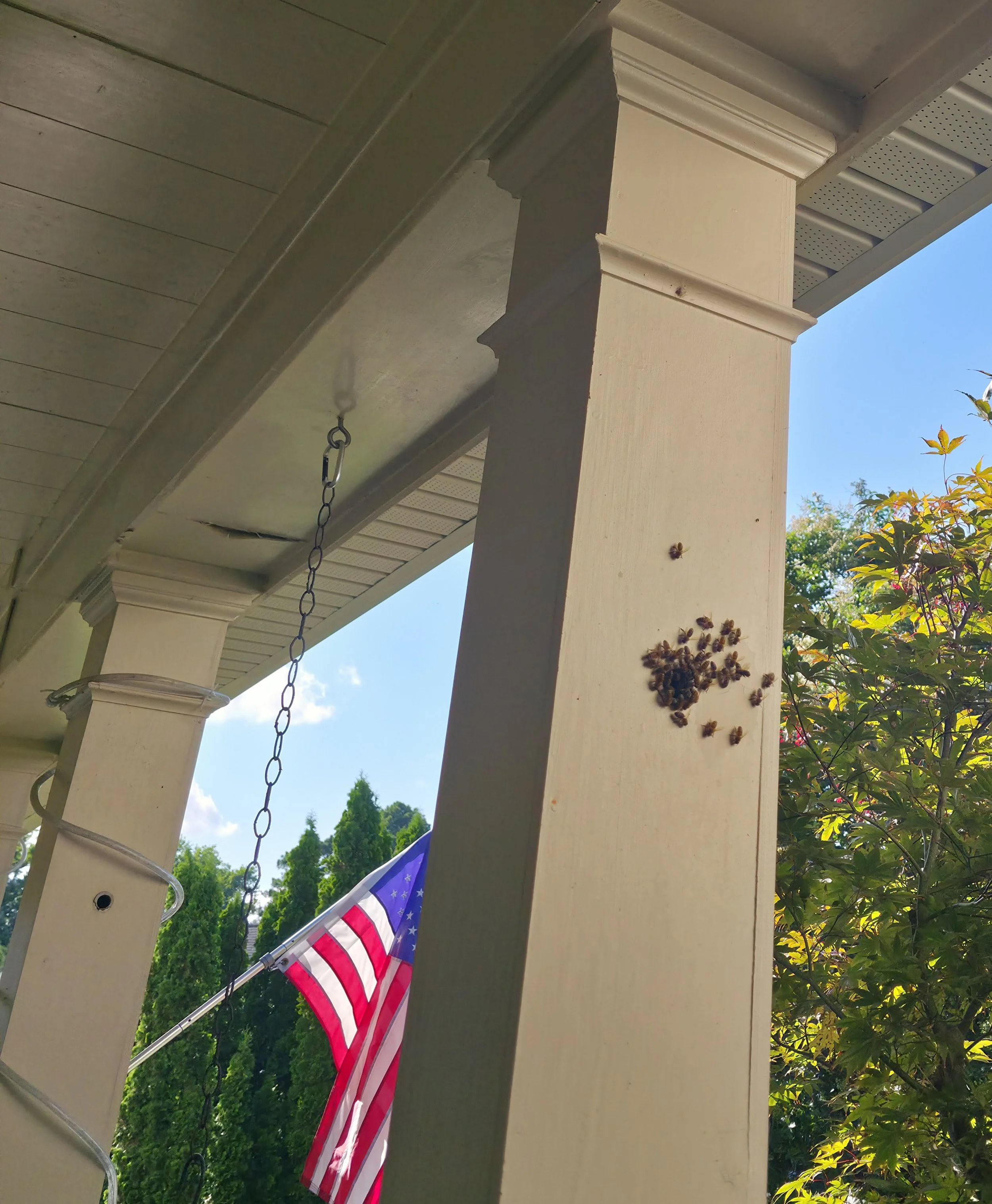
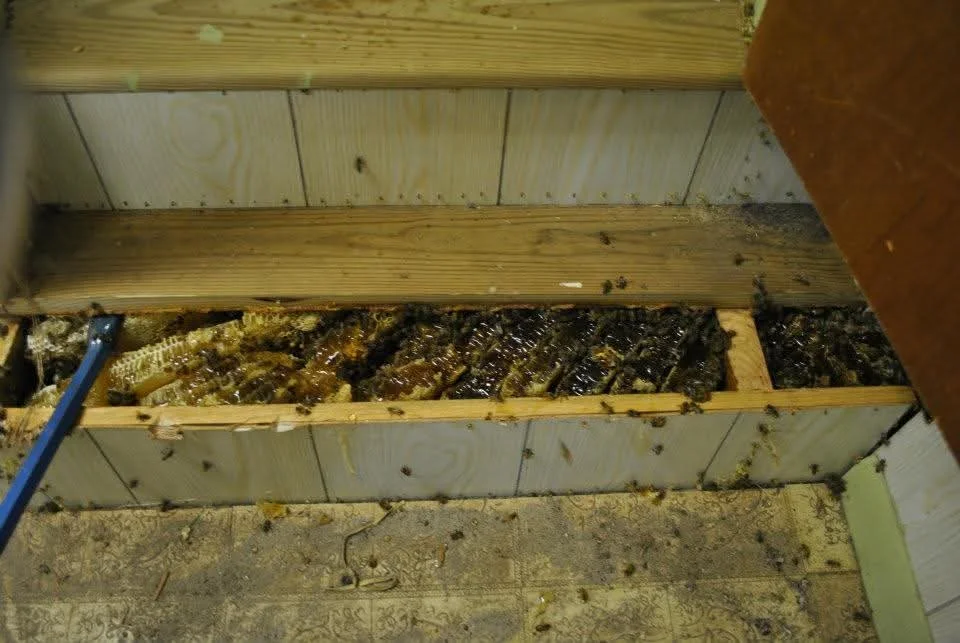
When honey bees first arrive at a property, they often gather in a temporary cluster called a "swarm." However, if that swarm moves into the cavities of your home—such as inside walls, soffits, floors, or chimneys—they quickly become an established colony. Within just a few days, the worker bees will begin drawing out beeswax comb, storing nectar and pollen, and the queen will begin laying eggs.
-
Simply killing an established honey bee colony inside a structure or sealing up their entrance is highly discouraged and can cause severe damage to your home. If a colony perishes inside a wall, the lack of climate control from the bees will cause the wax to melt. Unattended honey will ferment and seep through drywall, creating significant structural damage. Furthermore, the abandoned hive will quickly attract secondary pests, including wax moths, small hive beetles, ants, and rodents.
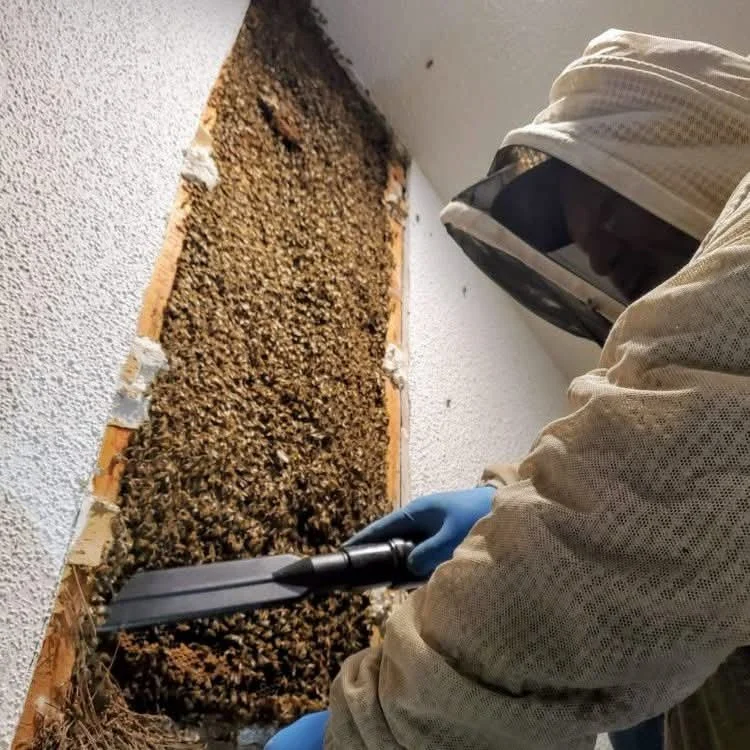
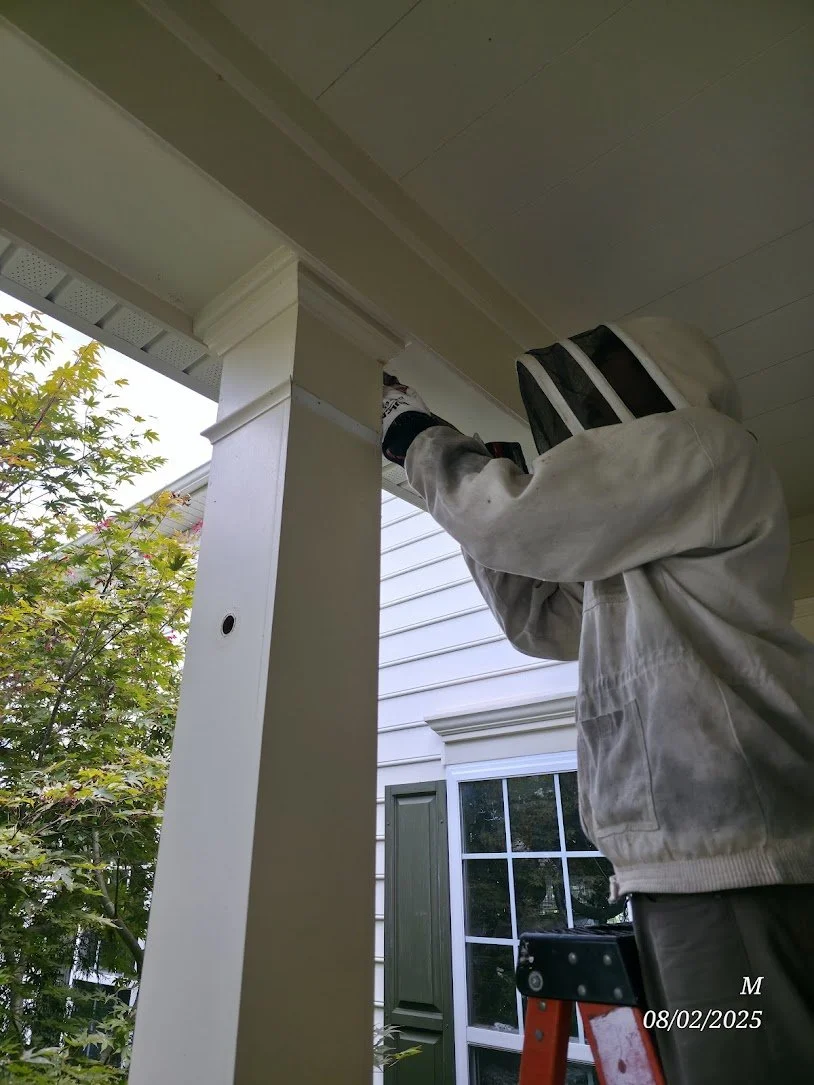
A proper "cut-out" removal involves opening the cavity to physically extract the bees, the comb, and all the honey, followed by thoroughly cleaning and sealing the space to prevent future colonies from moving in.
-
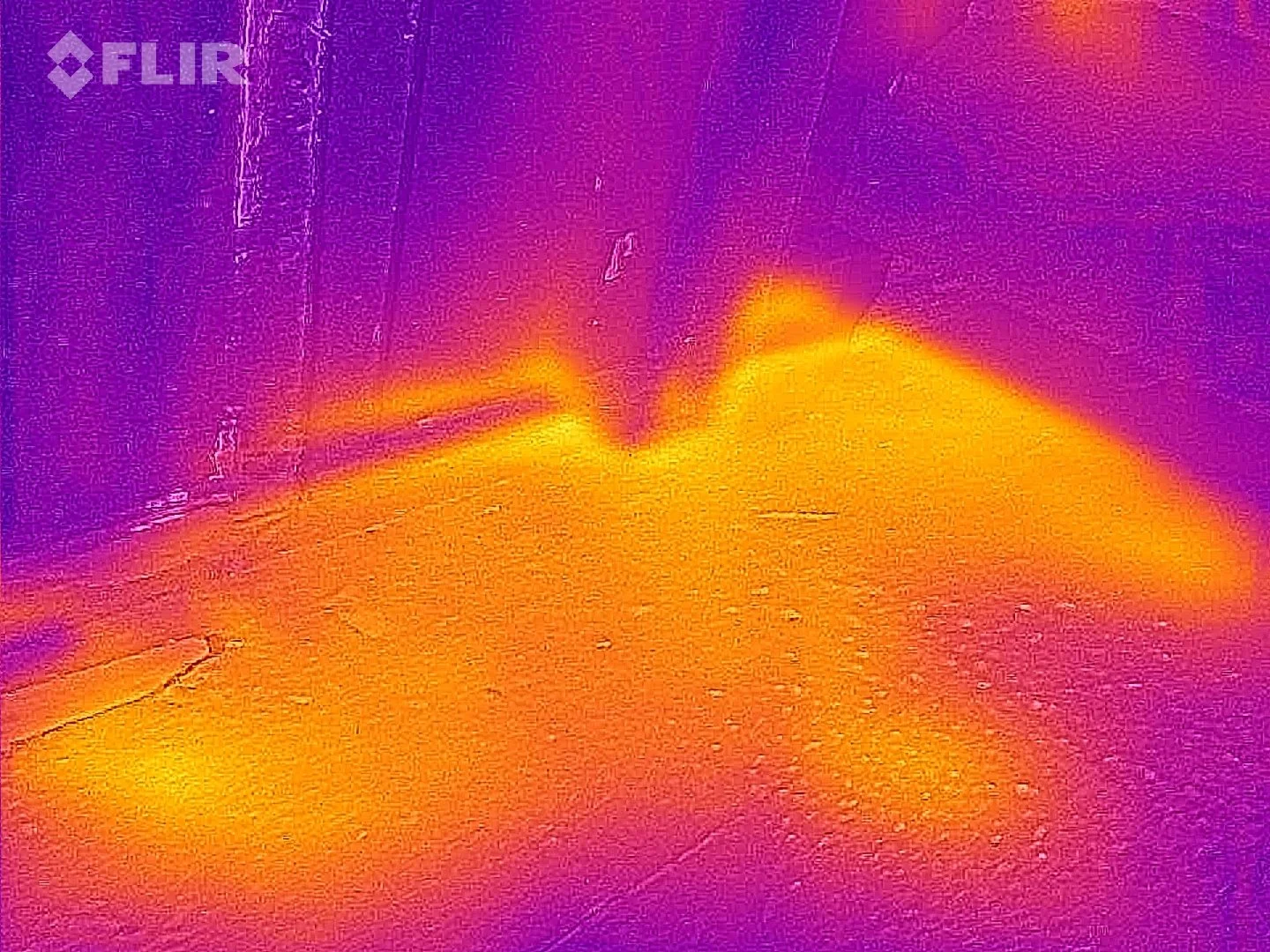
While many local beekeepers are happy to catch a temporary swarm in a bush or tree for free, structural removals are a construction and demolition service. This level of extraction is highly labor-intensive and requires specialized equipment—everything from structural saws and bee vacuums to thermal imaging cameras to precisely locate the brood nest behind your walls. The professionals who perform this work are dedicating significant time, skill, and liability to safely remove and relocate the colony.
Need a Removal Now?
We are currently building our official directory of local structural removal experts. In the meantime, please visit our Report a Swarm page. Many of the beekeepers on our swarm capture list are highly connected in the local community and can easily refer you to a trusted, experienced cut-out specialist in the area.
Disclaimer The Lower Eastern Shore Beekeepers Association (LESBA) is an educational and community organization. The club, as an entity, does not provide structural bee removal or contracting services. Any agreements, contracts, or financial arrangements made for structural removals are strictly between the homeowner and the independent beekeeper or contractor. LESBA assumes no liability for property damage or the outcome of any removal services.